
Ai and Automation in Online Marketing
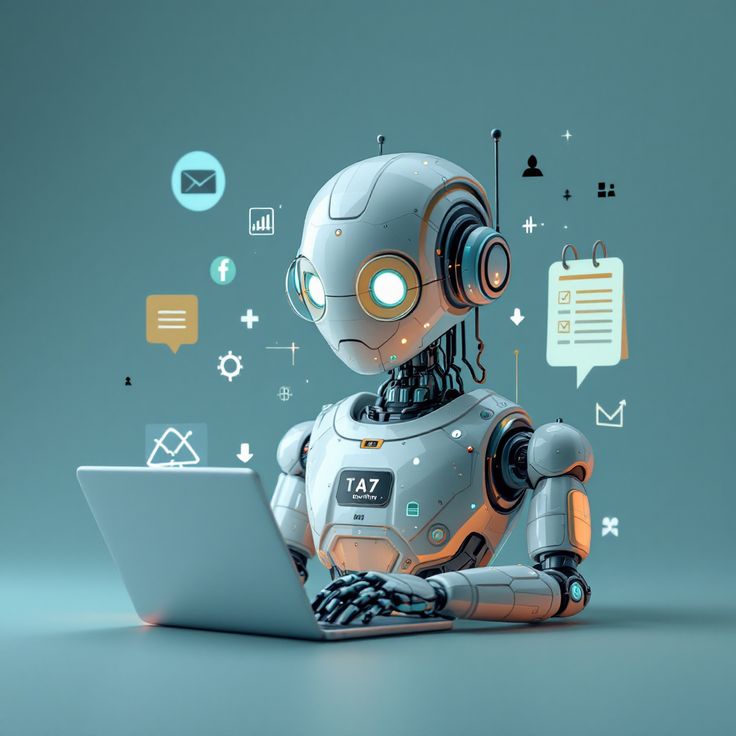
Content, ads, and messages that truly match what people are looking for. Automation supports this process by handling repetitive and time consuming tasks such as email marketing, social media scheduling, lead nurturing, ad optimization, and customer responses, ensuring consistent communication without delays. Together, AI and automation allow marketers to focus more on creativity, storytelling, and strategy while technology manages the background work. In today’s fast paced digital environment, these tools help brands build stronger relationships, deliver personalized experiences, and stay competitive in a more human centered and data driven way.Automation supports this intelligent approach by handling repetitive and time consuming tasks such as email campaigns, social media scheduling, ad optimization, and customer follow ups. By automating these processes, businesses can maintain consistent communication while saving time and effort. Together, AI and automation allow marketers to focus more on creativity, strategy, and building relationships, making digital marketing more efficient, customer-focused, and impactful in today’s fast moving digital world.
AI and Automation Making Digital Marketing More Personal, Insight-Driven, and Effortless
AI helps marketers understand people in a more natural and human way by learning from their online actions, such as what they search for, what they click on, and what truly interests them. These everyday digital behaviors reflect real thoughts and needs, and AI connects these signals to help brands know their audience better. Instead of pushing random ads, marketers can share content that feels relevant and helpful, making customers feel seen and understood rather than targeted.At the same time, automation quietly handles routine marketing work like sending emails, posting on social media, and managing advertisements. This removes repetitive pressure from marketers and keeps communication running smoothly without delays. With these tasks taken care of, marketers can spend more time on creativity, storytelling, and building genuine connections. Together, AI and automation make digital marketing feel more personal, balanced, and human-centered while still being efficient and effective.
This Enhancing Personalized Marketing While Streamlining Efficiency
AI enables personalized marketing by carefully understanding how each customer behaves online, what they are interested in, and when they are most likely to engage. By analyzing this information, AI helps brands deliver content, offers, and messages that feel relevant rather than random, making customers feel understood and valued. At the same time, automation ensures that this communication happens consistently and on time without requiring constant manual effort. Emails are sent as scheduled, social media remains active, and follow-ups reach customers at the right moments. Together, AI and automation create a smooth and reliable marketing experience that feels personal, thoughtful, and human while quietly working in the background to keep everything running efficiently.
Marketing strategies become smarter, more predictive, and focused on understanding customer needs.
AI improves decision-making in digital marketing by helping marketers see the bigger picture and understand what customers are likely to want next. By analyzing past behavior, current trends, and real-time data, AI can predict future needs and market changes with greater accuracy. This allows businesses to plan campaigns confidently, choose the right strategies, and avoid costly guesswork. Instead of reacting after something happens, marketers can act early, stay prepared, and make smarter choices that align with customer expectations. This predictive ability makes marketing more thoughtful, timely, and customer-focused.
Automation strengthens marketing by improving efficiency and allowing teams to focus on creativity and strategy.
Automation further strengthens marketing efforts by increasing productivity and efficiency across teams. Routine tasks such as scheduling posts, sending emails, tracking performance, and managing workflows are handled automatically, reducing manual workload and human errors. As a result, marketing teams can complete more work in less time while maintaining consistency and quality. With less pressure from repetitive tasks, marketers can focus on creative ideas, strategic planning, and building stronger customer relationships. Together, AI and automation create a balanced and human-centered marketing environment that supports smarter decisions and more efficient teamwork.
Customer experiences become more helpful, smooth, and personalized while businesses operate more efficiently and focus on building meaningful relationships.
AI-powered tools are making customer experiences more helpful, smooth, and enjoyable by providing support and guidance exactly when people need it. For example, chatbots can answer questions instantly, guide users through websites, or help with purchases without waiting for human assistance, creating a faster and more convenient experience. Smart recommendations powered by AI also suggest products, services, or content tailored to individual preferences, making interactions feel personal and thoughtful rather than generic. When combined with automation, these technologies not only improve customer satisfaction but also help businesses work more efficiently, reducing operational costs and maximizing returns. By handling repetitive tasks, streamlining processes, and delivering precise insights, AI and automation allow brands to focus on creativity, strategy, and building meaningful relationships with their audience, ultimately boosting both customer loyalty and overall business performance in a cost-effective way.
- What role does AI play in understanding customers?
AI observes how people interact online—what they click, search, or watch—and turns this information into insights. This helps marketers understand real needs and preferences, making communication feel more personal and meaningful. - How does automation make a marketer’s life easier?
Automation handles repetitive work like posting content, sending emails, or updating campaigns. This means marketers can spend more time on creative ideas and strategy instead of tedious daily tasks. - Can AI predict what customers want next?
Yes, AI uses patterns from past behavior to forecast trends and customer interests. This lets brands deliver the right message at the right time, increasing engagement and trust. - How do chatbots improve customer experience?
Chatbots powered by AI can answer questions instantly, guide users, and solve problems any time of the day. Customers get quick support, and businesses maintain seamless communication. - What’s the difference between AI and automation in marketing?
AI focuses on understanding data, predicting trends, and personalizing experiences. Automation focuses on executing tasks efficiently and consistently. Together, they make marketing smarter and faster. - How can AI and automation help increase revenue?
By delivering personalized content, predicting customer needs, and ensuring campaigns run efficiently, AI and automation increase engagement, boost conversions, and improve ROI. - How does AI help a Digital Marketing analyst in Palakkad?
For a Digital Marketing analyst in Palakkad,AI tools simplify data analysis, track campaign performance in real time, and provide clear insights. This makes decision-making faster and more accurate for local and regional campaigns.
Conclusion
AI and automation are completely changing the way businesses approach digital marketing, making it smarter, faster, and more personal. AI helps brands really understand their audience by looking at behavior, interests, and online interactions, so they can deliver content that feels relevant and meaningful. Tools like chatbots provide instant support, predictive analytics show what customers might want next, and recommendation engines suggest products or content tailored to each person. AI-powered content tools even help create engaging posts or ads, while automation takes care of repetitive tasks like scheduling updates, sending emails, and monitoring campaigns. This means marketers have more time to focus on creative ideas, strategy, and connecting with their audience in a genuine way. By combining AI and automation, businesses can save time, reduce costs, make smarter decisions, and provide better experiences, all while staying competitive in today’s fast-moving digital world.